Live sports betting does not always require waiting for the final whistle to settle a wager. On eligible bets, a cash-out feature may offer an early settlement amount while the event is still underway.
This option can return more or less than the original stake, depending on the circumstances. It also involves trade-offs, changing prices, and availability restrictions. For readers in group MZPlay, understanding how cash-out works helps distinguish an early settlement offer from a guaranteed refund or an automatic route to profit.
What Cash-Out Actually Does
Cash-out lets a bettor accept an offered amount to settle an eligible bet before its normal conclusion. With a successful full cash-out, later sporting developments generally no longer affect that settled bet.
Consider a hypothetical $20 wager at decimal odds of 3.00. If the selection wins under the original terms, the total return would be $60, including the stake.
During the match, the operator might offer $35 to settle early. Accepting would produce a $15 profit on that wager, but it would give up the chance to receive the original $60 return. An offer of $12 would instead represent an $8 loss.
Why the Offered Amount Changes
Cash-out offers depend on the current betting situation and the operator’s pricing method. Relevant factors can include the original stake, accepted odds, current market prices, and remaining uncertainty.
Suppose a football team you backed takes the lead. Its winning prospects may improve, and the cash-out offer may rise. If the opponent equalizes, the offer may fall.
The amount isn’t determined solely by whether your selection is currently ahead. Time remaining, player dismissals, and other developments can change expectations.
A displayed offer should therefore be understood as a current settlement price. It is not a promise about the eventual result or a guaranteed valuation that remains available indefinitely.
For an accumulator, the offer can reflect several selections at once. A favorable result in an event does not remove uncertainty from the others. Settling early also changes your exposure to the combined wager, so examine the bet rather than one match.
Cash-Out Returns Include More Than Profit
One common misunderstanding is treating the displayed cash-out amount as pure winnings. For an ordinary cash wager, compare the total amount returned with the original stake to calculate the result.
If you staked $50 and successfully cash out for $65, your profit is $15. Receiving $40 means losing $10, even though money comes back into your account.
Promotional wagers can work differently, especially when the original stake isn’t refundable. Check the applicable terms before applying the same calculation. Keeping stakes and returns separate in your records makes the financial outcome easier to understand.
Full and Partial Cash-Out Difference
Full cash-out settles the entire eligible bet. Partial cash-out, where offered, settles only a portion and leaves the remainder exposed to the sporting outcome.
For example, a bettor might accept an early return on part of a wager while allowing the remaining portion to continue. The interface should show how much is being settled and what potential return remains.
Partial cash-out does not necessarily mean recovering the original stake while keeping all possible winnings intact. Reducing the unsettled portion generally reduces its remaining potential payout.
Availability varies by operator, market, and product. A full cash-out option does not guarantee that partial settlement is also possible.
The Button May Become Unavailable
Cash-out is not guaranteed throughout an event. Operators may suspend it during important incidents, rapid price changes, technical problems, or periods when the relevant market is unavailable.
A goal, penalty decision, or tennis break point can affect availability. Some wagers may never qualify, even when other bets on the same event offer the feature.
On an exchange, available liquidity can also affect whether you can complete the required transactions.
Placing a wager assuming you can always exit later adds risk. The original stake should remain affordable to lose even if cash-out disappears.
Requests Need Successful Confirmation
Pressing the cash-out button does not necessarily complete the settlement immediately. Live betting delays or changing prices can cause a request to fail or require a different offer.
Follow the operator’s process and confirm the request was successful. Check the updated bet status and account balance rather than assuming a click ends your exposure.
Broadcast footage and score displays may also lag behind the event. A price visible while you watch a promising attack might change before your request is processed. These timing differences make cash-out less predictable than a fixed withdrawal from an account.
Convenience Comes With a Tradeoff
Cash-out can reduce uncertainty about a wager’s eventual return, but convenience does not mean the offer is financially favorable. The settlement price can incorporate the operator’s margin or pricing adjustments. Accepting it may provide less than the bet’s estimated fair value.
Consider the offered amount, original stake, and remaining exposure, and don’t treat an early payout as free money. Avoid immediately recycling returned funds into additional wagers. Cash-out is an optional settlement tool, not insurance against every loss. Predetermined spending limits remain necessary whether you hold a bet until completion, settle it partially, or cash it out fully.




 Live sports betting does not always require waiting for the final whistle to settle a wager. On eligible bets, a cash-out feature may offer an early settlement amount while the event is still underway.









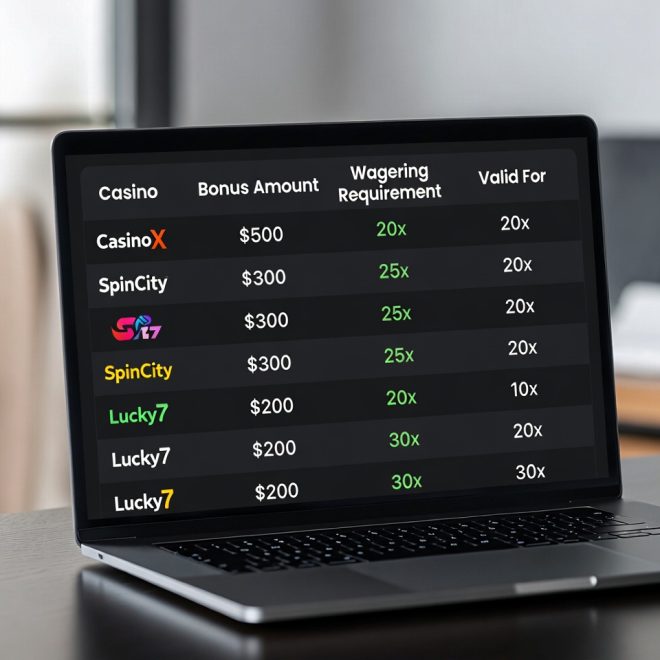

 Indonesia’s online gaming market reached nearly $26 billion in transactions by 2025. This massive figure highlights a shift toward digital entertainment, especially in lottery-style betting. People across the archipelago are turning to apps and sites for quick thrills and potential wins. Amid this growth, platforms offering lottery games stand out. They blend tradition with modern tech, drawing in millions of users daily.
 Sports betting success isn’t just about luck; it’s about strategy, research, and using reliable data. You can improve your chances of making informed wagers by analyzing sports statistics and following expert betting advice. Sports analysis has become a game-changer, providing bettors with critical insights that were once unavailable to the average person.
 Launch your preferred web browser and visit the official Bet365 Korea website. Search the homepage for an explicit “Join Now” or “Registration” button.