

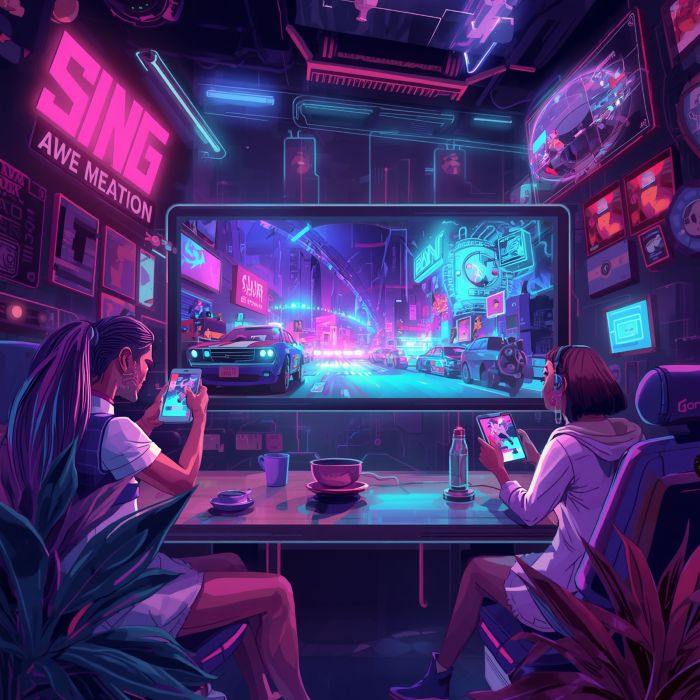
Australians spend more time on mobile entertainment than ever before, with data from the Australian Communications and Media Authority showing that digital media consumption continues to grow across streaming, gaming, and interactive platforms. Businesses across the entertainment sector are responding by building experiences that feel more immersive, personalized, and socially connected. From mobile gaming apps to streaming platforms and digital casinos, gamification has become a major force shaping how audiences interact with online content.
Design trends once associated mainly with video games now appear across many forms of digital entertainment. Reward systems, daily challenges, progress tracking, and interactive interfaces are increasingly common in streaming apps, retail loyalty programs, and gaming platforms. Industry observers have noted that engagement strategies used by online pokies Australia platforms have influenced wider conversations about user retention and interface design, particularly in mobile-first entertainment products. According to research from Deloitte, consumers increasingly expect entertainment experiences to feel interactive rather than passive.
Gamification Moves Beyond Traditional Gaming
Gamification is no longer limited to video games. Australian businesses across several industries now use game-inspired systems to encourage engagement and repeat interaction. Streaming services use achievement-style recommendations. Fitness apps reward consistency with digital milestones. Retail brands introduce spin-to-win promotions and tiered loyalty systems.
These systems are designed around behavioral psychology. According to researchers at the University of Sydney, interactive feedback loops and reward structures can increase user engagement by encouraging routine participation. While the methods vary across industries, the broader goal remains similar, keeping audiences interested over longer periods of time.
Australia’s entertainment sector has been particularly quick to adopt these ideas because mobile usage remains high across the country. Consumers increasingly expect quick access, personalized recommendations, and seamless design. Businesses that fail to adapt often struggle to maintain attention in a crowded digital market.
Mobile-First Experiences Reshape User Expectations
Mobile devices have become the center of Australia’s digital entertainment economy. According to Statista, smartphone penetration in Australia continues to rise, particularly among adults who use mobile apps daily for streaming, shopping, and gaming. This shift has forced companies to rethink how platforms are designed.
Large menus and desktop-heavy layouts have gradually been replaced by cleaner interfaces, swipe navigation, and fast-loading visuals. Entertainment brands now prioritize simplicity because users often move between apps quickly. A slow or confusing experience can reduce engagement within minutes.
This change has influenced many corners of the online entertainment industry. Streaming services use autoplay previews and recommendation engines to reduce friction. Social media platforms introduce short-form interactive content. Meanwhile, digital gaming businesses focus heavily on responsive design and immersive visual feedback.
Australian online casino platforms have followed similar patterns by developing interfaces optimized for smartphones and tablets. Features such as personalized dashboards, achievement systems, and interactive themes are increasingly common because users expect entertainment experiences that feel smooth and visually engaging.
Nostalgia as a Design Strategy
One of the most noticeable trends in Australia’s online entertainment economy is the return of retro-inspired design. Bright neon colors, arcade-style visuals, pixel art, and familiar soundtracks are appearing across digital platforms aimed at adult audiences.
Nostalgia works because it creates emotional familiarity. According to a report published by McKinsey & Company, brands that tap into recognizable cultural aesthetics often create stronger emotional engagement with consumers. This approach has become particularly effective in entertainment industries where visual identity plays a major role in audience retention.
Retro-inspired design appears across streaming campaigns, mobile gaming apps, and interactive casino platforms. These experiences often reference older forms of entertainment while combining them with modern technology and smoother user experiences.
The popularity of nostalgia-driven design also reflects a broader shift in consumer behavior. Many users want entertainment that feels comforting and recognizable during periods of digital overload. As a result, companies increasingly mix familiar visual themes with modern interactive tools.
The Business Value of Interactive Entertainment
Gamified systems are not simply creative experiments. They have become important business tools in Australia’s competitive digital economy. Audience attention is difficult to maintain, particularly when consumers have endless entertainment choices available on mobile devices.
Interactive features encourage users to spend more time on platforms and return more frequently. According to research from PwC Australia, customer retention has become one of the most important growth drivers for digital businesses because acquiring new users often costs significantly more than keeping existing audiences engaged.
This has pushed companies to focus on long-term engagement rather than one-time interactions. Personalized recommendations, progress systems, limited-time challenges, and interactive social features all contribute to a stronger sense of participation.
Businesses connected to digital gaming have become part of this broader trend. Many Australian-facing gaming platforms now use layered interface systems similar to those seen in mainstream mobile apps. Interactive slot-style gaming environments, for example, increasingly rely on animation, sound design, and user customization to create stronger engagement experiences.
Balancing Innovation With Responsibility
Despite the commercial success of gamification, industry experts continue to raise concerns about responsible design practices. Interactive systems can encourage longer engagement periods, which makes ethical design an important topic for businesses operating in entertainment industries.
Australian regulators and advocacy groups have increased discussions around digital well-being and responsible gambling measures. According to the Australian Institute of Family Studies, transparency and user protections are increasingly important as entertainment platforms become more immersive.
Many companies now include features that allow users to monitor screen time, spending activity, or engagement patterns. Responsible gambling tools have also become more visible across digital casino environments. These measures aim to support healthier user habits while allowing businesses to maintain entertainment-focused experiences. Broader discussions around the skills required in sports betting have also encouraged more attention toward informed decision-making, data awareness, and responsible participation across digital gaming platforms.
Industry analysts believe this balance will become more important in coming years as artificial intelligence and personalization technologies continue to improve. More advanced systems may create highly customized entertainment experiences, but they will likely face greater scrutiny from regulators and public interest groups.
The Future of Australia’s Interactive Entertainment Economy
Australia’s digital entertainment landscape continues to evolve quickly. Businesses are investing heavily in mobile optimization, personalized content delivery, and immersive design because audience expectations keep changing. Consumers increasingly want experiences that feel interactive, social, and visually dynamic.
Emerging technologies such as augmented reality, AI-powered recommendations, and cloud-based gaming may push gamification even further into mainstream entertainment. Streaming platforms are already experimenting with interactive storytelling formats, while gaming companies continue exploring new forms of user participation.
At the same time, nostalgia-driven visuals and familiar entertainment themes are likely to remain influential. Many brands have discovered that combining modern technology with recognizable design elements creates experiences that feel engaging without becoming overwhelming.
Digital gaming businesses, including Australian-style online casino entertainment, will probably remain part of this wider transformation because they often adopt interactive technologies early. However, conversations around responsible participation and balanced engagement are expected to remain central as the industry grows.
Entertainment in Australia is becoming more interactive with each passing year. Gamification has moved beyond gaming culture and into the center of digital business strategy. Whether through streaming platforms, mobile apps, or digital gaming experiences, companies are reshaping how audiences connect with entertainment online.
Gambling-related entertainment should always be approached carefully. Participation involves financial risk, and users should engage responsibly, set personal limits, and seek support services if gambling begins to negatively affect daily life or finances.